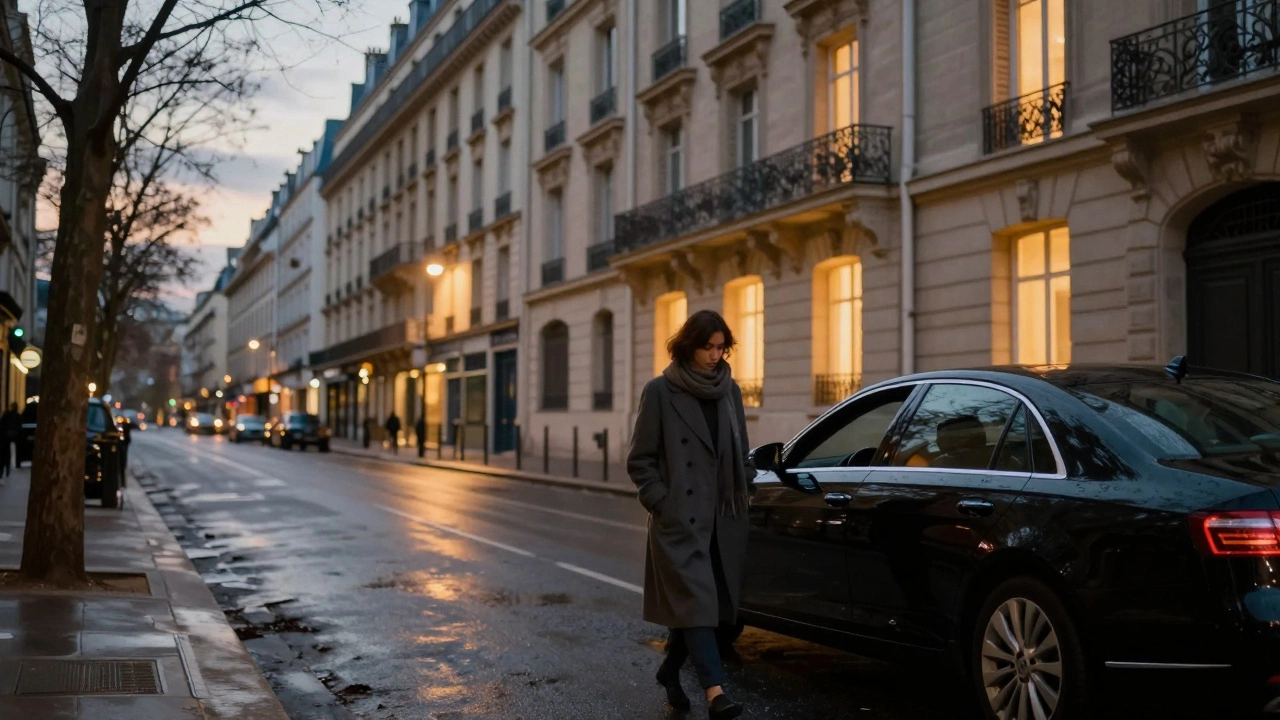
France has long been a magnet for tourists drawn to its art, food, and romance-but for some, the draw is darker. Cities like Paris, Lyon, and Marseille have become known for a hidden undercurrent of commercial sex work, where escort services, strip clubs, and brothels operate in legal gray zones. While prostitution itself is not illegal in France, paying for sex is. That contradiction has created a landscape where demand thrives, but supply is forced underground. The result? A booming but risky industry that draws international visitors looking for discreet encounters. If you’ve heard about escort girl paris 16, you’re not alone-these search terms reflect real, ongoing activity in the city’s more affluent neighborhoods.
Paris is divided into 20 arrondissements, each with its own character. The 16th arrondissement, with its quiet streets and luxury apartments, is home to many high-end escort services. Clients here often seek discretion, and many women working in this area advertise through private websites or word-of-mouth referrals. The 6th arrondissement, near Saint-Germain-des-Prés, blends intellectual charm with nightlife, making it a hotspot for both tourists and locals seeking companionship. Meanwhile, the 17th arrondissement, bordering the bustling Porte Maillot area, sees a mix of business travelers and long-term visitors who use escort services as part of their stay. These aren’t random street encounters-they’re often arranged through vetted platforms, with prices ranging from €200 to €800 per hour depending on experience, location, and services offered.
Strip clubs in France operate under a different set of rules. Full nudity is allowed, but no direct sexual contact. Clubs like Le Whisky à Gogo in Paris or La Cigale in Lyon are popular with foreign visitors, especially from the UK, Germany, and the U.S. Many of these venues have started marketing themselves as "adult entertainment lounges" to avoid legal scrutiny. Staff are typically classified as dancers, not sex workers, which protects the business from prosecution under France’s 2016 law criminalizing clients. But the line is thin. Many dancers also offer private sessions outside the club, often arranged via encrypted messaging apps. A 2023 report from the French Ministry of Interior estimated that over 60% of strip club performers in Paris have engaged in paid sexual services at least once in the past year.
Beyond the clubs and escorts, brothels still exist-though they’re far less visible than in the past. In the 1990s, France had hundreds of licensed brothels, but they were shut down in 1946 under the Loi Marthe Richard. Today, illegal brothels operate in basements, rented apartments, and even hotels. Police raids happen regularly, but they’re often targeted at operators, not clients. In 2024, a major operation in the 13th arrondissement uncovered a network of 17 apartments being used as brothels, mostly staffed by women from Eastern Europe and North Africa. Many of these women arrived on tourist visas and ended up trapped in debt-based coercion. The French government calls this human trafficking, but enforcement remains inconsistent.
Why does this industry persist? Partly because of demand. A 2022 study by the University of Bordeaux surveyed 1,200 foreign tourists in Paris and found that 18% had paid for sex during their visit. The majority were men between 30 and 55, from countries where prostitution is either illegal or socially stigmatized. For them, France offers anonymity, relative safety, and a culture that doesn’t openly condemn the practice. The country’s tourism infrastructure-luxury hotels, private transportation, and multilingual services-makes it easy to move through the city without drawing attention. Some travelers even plan their trips around these services, booking hotels near the 16th or 17th arrondissements specifically for proximity to escort networks.
But the risks are real. Women working in this space face violence, exploitation, and deportation if they’re undocumented. Clients risk arrest, fines, or public exposure. In 2023, a British tourist was fined €1,500 and placed on a national watchlist after being caught paying an escort in the 6th arrondissement. His name was published in a local newspaper, and his employer found out. Even if you’re not caught, the psychological toll can be heavy. Many clients report feeling guilt, shame, or emptiness afterward. The industry thrives on transactional intimacy, but it rarely delivers real connection.
There’s also a cultural blind spot. French media rarely covers the human side of this trade. When they do, it’s often framed as a "problem of immigration" or "moral decay," ignoring the systemic issues-poverty, lack of opportunity, and gender inequality-that push women into this work. Meanwhile, the men who pay for sex are rarely held accountable. The law punishes the buyer, but enforcement is selective. In practice, most arrests happen when a woman reports abuse, not when a client is simply paying for companionship.
What about the women? Many enter the industry because they have no other options. A 2024 survey by the French NGO AIDES found that 71% of women working as escorts in Paris had experienced homelessness, domestic violence, or economic hardship before entering the trade. Some are students, others are single mothers. A few are from wealthy backgrounds but are drawn by the money and freedom. The ones who stay long-term often develop client relationships that feel personal, even if they’re paid. One woman in the 17th arrondissement, who asked not to be named, told me she’s had the same client for three years. He sends her flowers on her birthday. She calls him "my friend." But she still charges him €400 per visit.
It’s easy to romanticize or condemn this world. But the truth is messier. France doesn’t have legalized prostitution, but it has legalized demand. The country criminalizes the client to protect the worker-but without offering real alternatives. No job training programs. No housing support. No exit strategy. The result? A system that punishes the vulnerable while letting the powerful walk away untouched.
If you’re considering visiting France for these reasons, ask yourself: Are you looking for connection, or just escape? The escort girl paris 17 you meet might be kind, charming, and professional-but she’s not there because she wants to be. And the price you pay isn’t just financial. It’s moral. Every transaction reinforces a system that treats human beings as commodities. That’s not romance. That’s exploitation dressed up as tourism.
There are better ways to experience France. Walk through Montmartre at sunset. Eat a croissant in a tiny bakery in the 5th. Sit by the Seine and read a book. These moments don’t cost money-but they stay with you longer.